
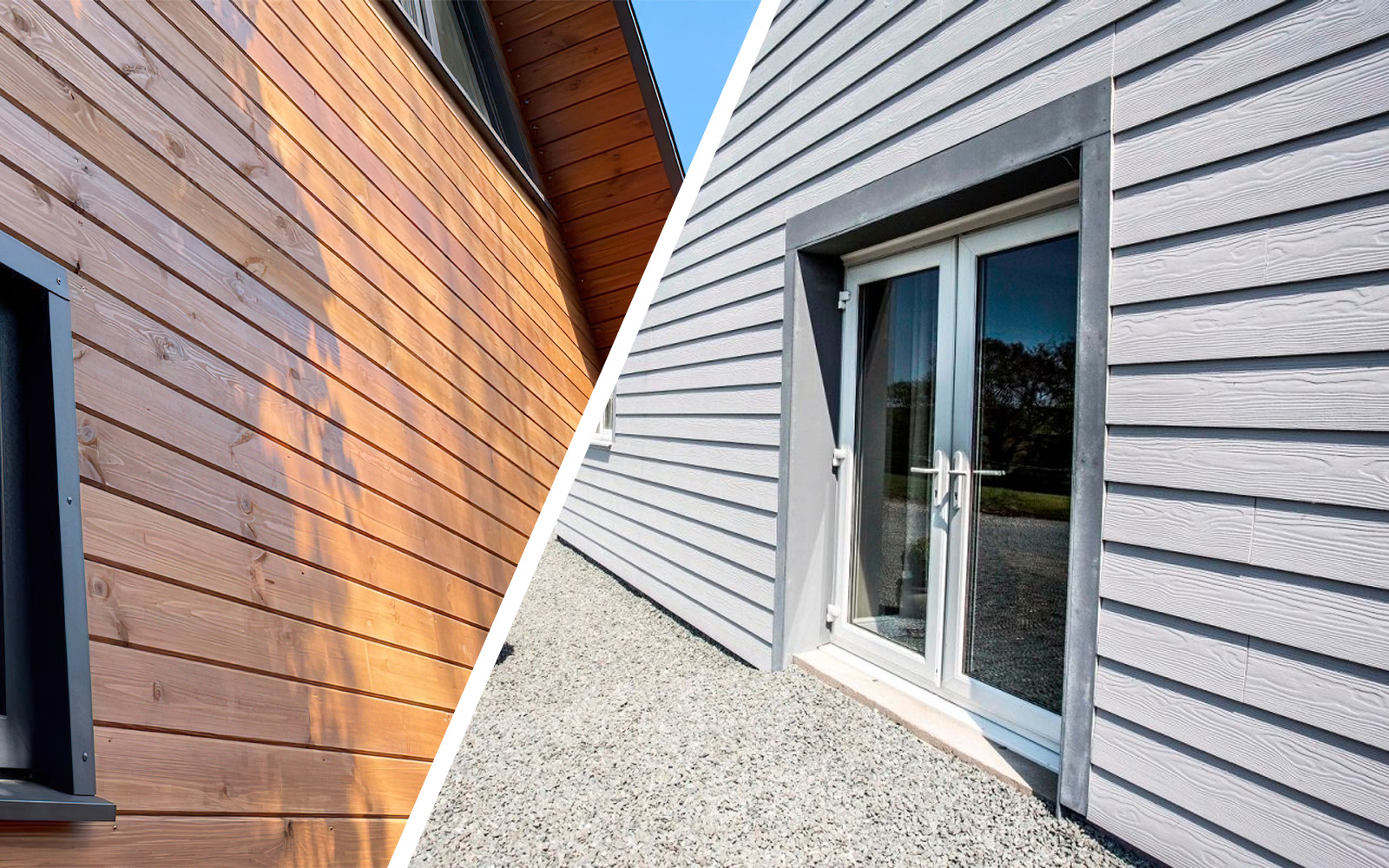
Choosing between timber and fibre cement weatherboard? Both can give your building a smart, traditional cladded finish, but there are some important differences.
Timber offers a natural appearance and plenty of character. Fibre cement gives you a factory-finished alternative that generally needs less routine maintenance.
The right choice depends on your budget, the look you're after, the type of building and how much upkeep you're happy to take on.
We'll compare the two so you can make the right decision for your project.
What's the difference between weatherboard and fibre cement?
First, it's worth clearing up a common misunderstanding.
Weatherboard isn't one particular material. It describes a style of external cladding made using long, narrow boards, traditionally installed horizontally with an overlap.
Weatherboard is a style, not a material
Weatherboard can be made from timber, fibre cement and other materials.
So when people compare weatherboard with fibre cement, they're usually comparing traditional timber weatherboard with fibre cement weatherboard.
Both can create a similar appearance, but their materials and maintenance requirements are different.
What is timber weatherboard?
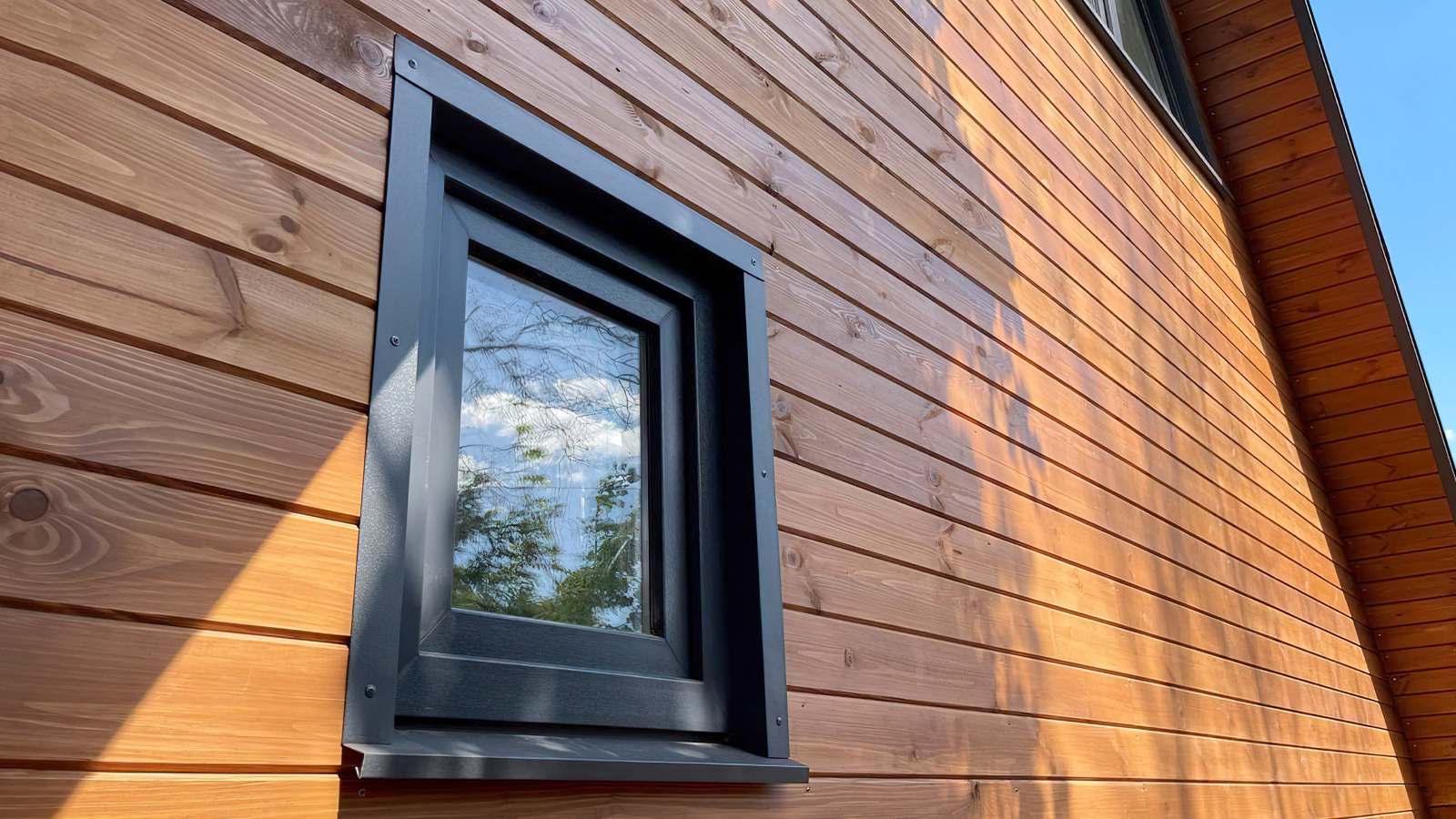
Timber weatherboard is made from natural wood, cut into boards designed for external cladding.
Common options include western red cedar, larch, Douglas fir and treated softwood.
- Western red cedar
- Larch
- Douglas fir
- Treated softwood
The timber species, treatment and finish all affect its appearance, durability and maintenance requirements.
Some people choose timber because they want the grain and variation of natural wood. Others prefer a painted finish.
What are the advantages of timber?
- Natural appearance and character
- A choice of timber species and profiles
- Often lighter boards than equivalent fibre cement products
- Relatively straightforward cutting with suitable woodworking equipment
- Options for staining, painting or allowing suitable timber to weather naturally
What should you consider before choosing timber?
Timber reacts to changes in moisture and temperature. Depending on the species, treatment and installation, boards can expand, contract or move over time.
Some finishes need regular maintenance to keep the appearance you want.
Good to know
Good detailing, ventilation and suitable fixings are important to protect the timber and support its service life.
What is fibre cement weatherboard?
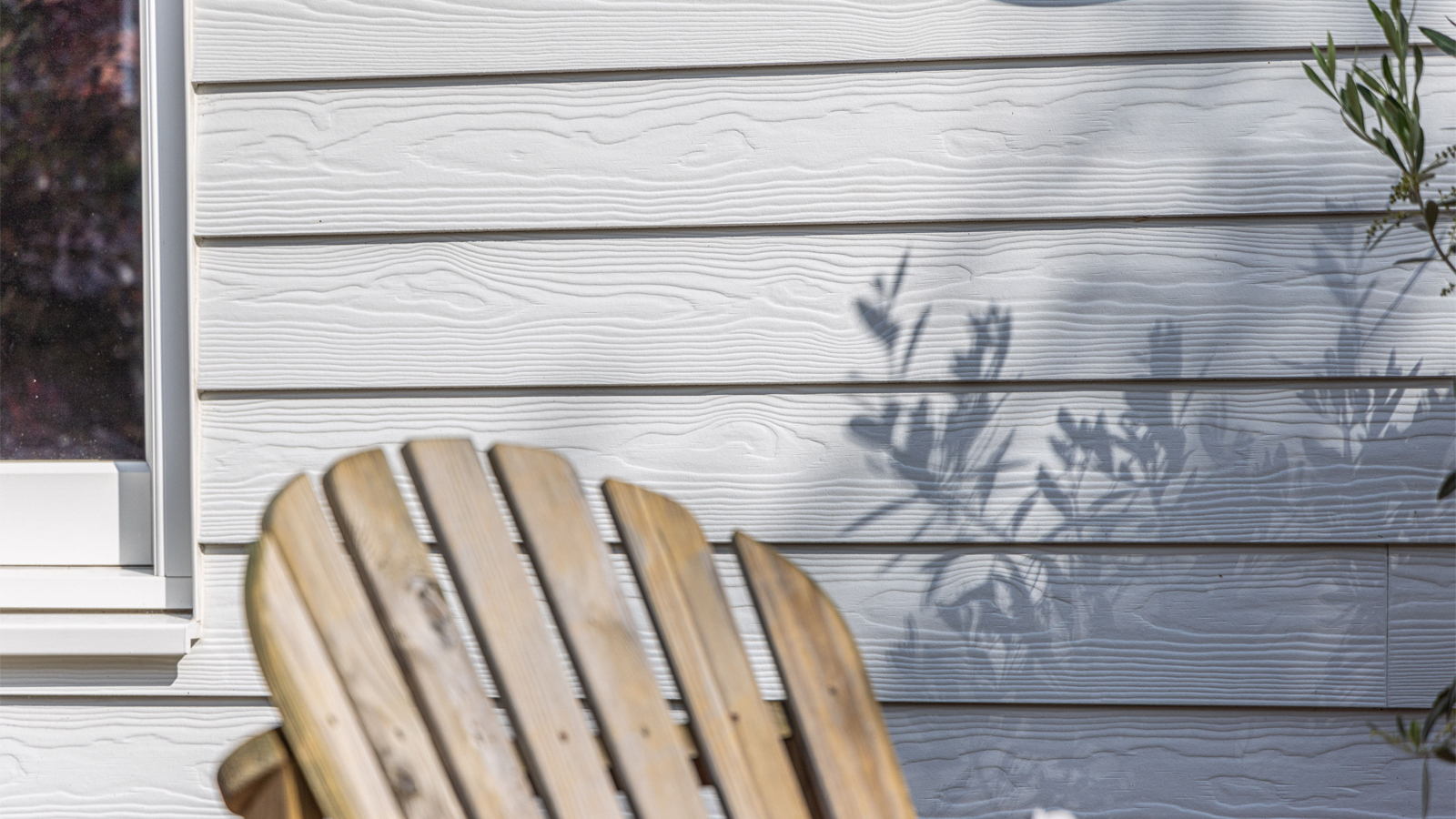
Fibre cement is a manufactured material made using cement, reinforcing fibres and other ingredients.
It's formed into boards designed to provide a durable external cladding finish.
Products such as Cedral Lap are designed to create the appearance of painted timber weatherboard, without using timber as the main board material.
Many fibre cement weatherboards arrive with a factory-applied finish, so there's no need to paint the boards as part of the initial installation.
What are the advantages of fibre cement?
- Resistance to rot
- Factory-applied colour finishes on many products
- No regular timber-style repainting programme
- Consistent board dimensions and appearance
- A choice of colours, textures and fixing systems
- Potentially useful fire performance characteristics, depending on the certified product
What should you consider before choosing fibre cement?
Fibre cement boards are generally heavier than comparable timber boards.
Cutting requires suitable tools and effective dust controls. The system also needs correct handling, fixing, support and ventilation.
Good to know
Although factory-finished products generally require relatively little maintenance, that doesn't mean they'll never need cleaning, inspection or attention.
Which weatherboard lasts longer?
There isn't one lifespan that applies to every timber or fibre cement cladding system.
How long a finished wall lasts depends on the material, exposure, installation quality and maintenance.
- Material
- Exposure
- Installation quality
- Maintenance
-
Timber
Timber weatherboard lifespan
Durable timber species can perform well for many years when correctly specified and installed.
But different species have different durability characteristics.
Treatment, coatings, ventilation and protection from persistent moisture all affect how well timber performs.
Coated timber also needs maintenance in line with the coating manufacturer's recommendations.
-
Fibre cement
Fibre cement weatherboard lifespan
Fibre cement doesn't rot in the same way as timber, which can make it an attractive choice for long-term exterior cladding.
Manufacturers may publish expected service lives and warranties for particular products.
Always distinguish the expected life of the board from the length and terms of the warranty.
Even long-life cladding systems need correct installation and appropriate inspection and cleaning.
Which weatherboard needs less maintenance?
If you're looking to keep routine maintenance down, factory-finished fibre cement is often the more straightforward choice.
-
Timber
Maintaining timber weatherboard
Timber maintenance depends on the species and finish.
Painted or stained boards may need cleaning and recoating at intervals recommended for the chosen system.
You'll also want to inspect the wall for signs of trapped moisture, damaged coatings or movement.
If you're cladding a high or difficult-to-reach elevation, remember to account for the cost of future access.
-
Fibre cement
Maintaining fibre cement weatherboard
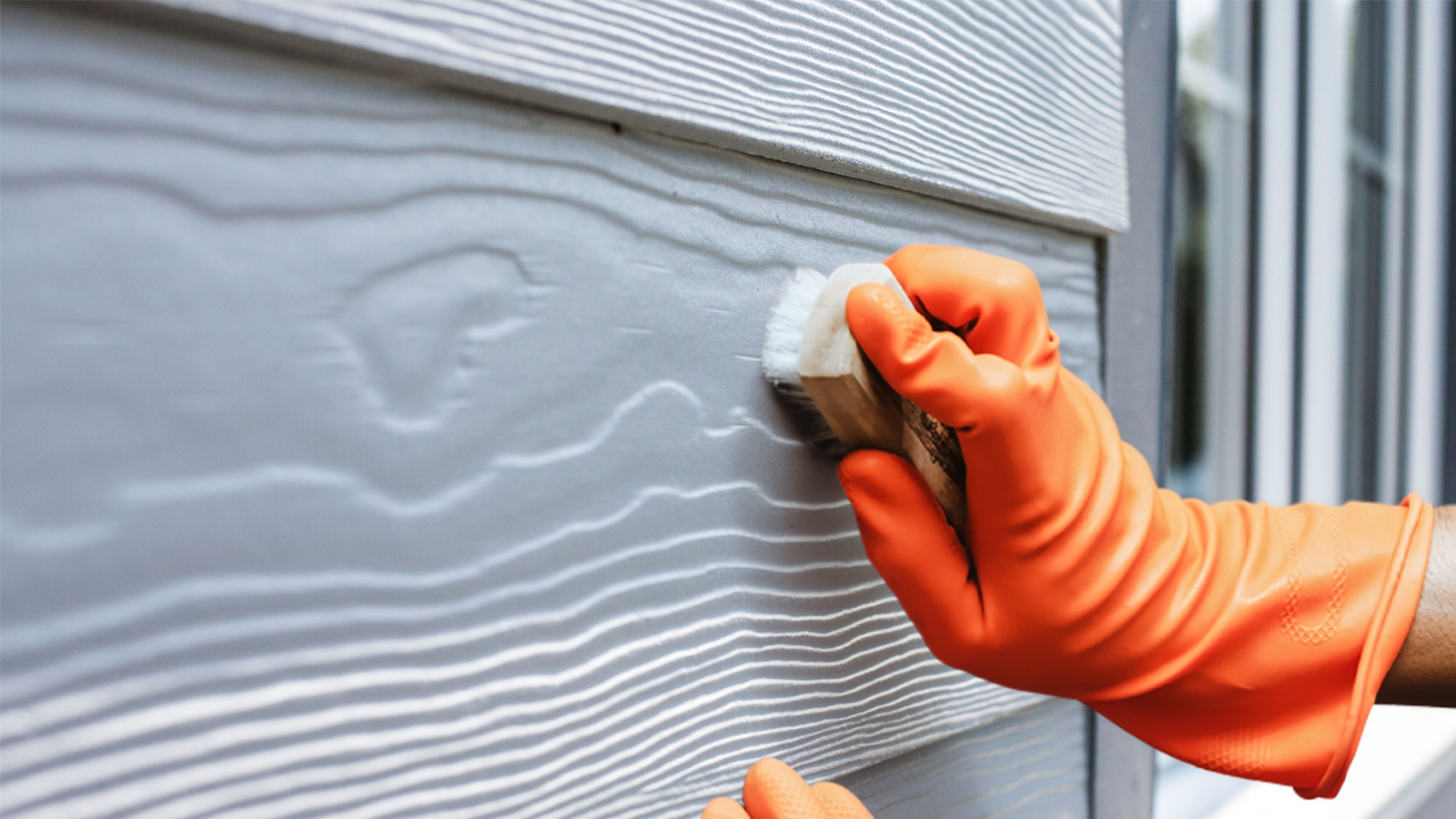
Factory-finished fibre cement generally needs routine cleaning and visual inspection rather than regular repainting.
Check for dirt, blocked ventilation openings and damage to boards or fixings.
Follow the manufacturer's cleaning instructions. Avoid aggressive cleaning methods that could damage the finish or force water behind the cladding.
Over time, the appearance of any exterior finish can change with exposure to sunlight and weather.
Which is easier to install?
Both timber and fibre cement need careful preparation and a correctly designed wall build-up.
Before you start
Neither should be treated as a simple decorative covering that can be fixed to any wall without checking what's behind it.
-
Timber
Installing timber weatherboard
Timber is often easier to cut and lighter to handle, which can be helpful on smaller projects.
However, you'll need to consider moisture content, board movement, fixing positions and any required surface treatment.
-
Fibre cement
Installing fibre cement weatherboard
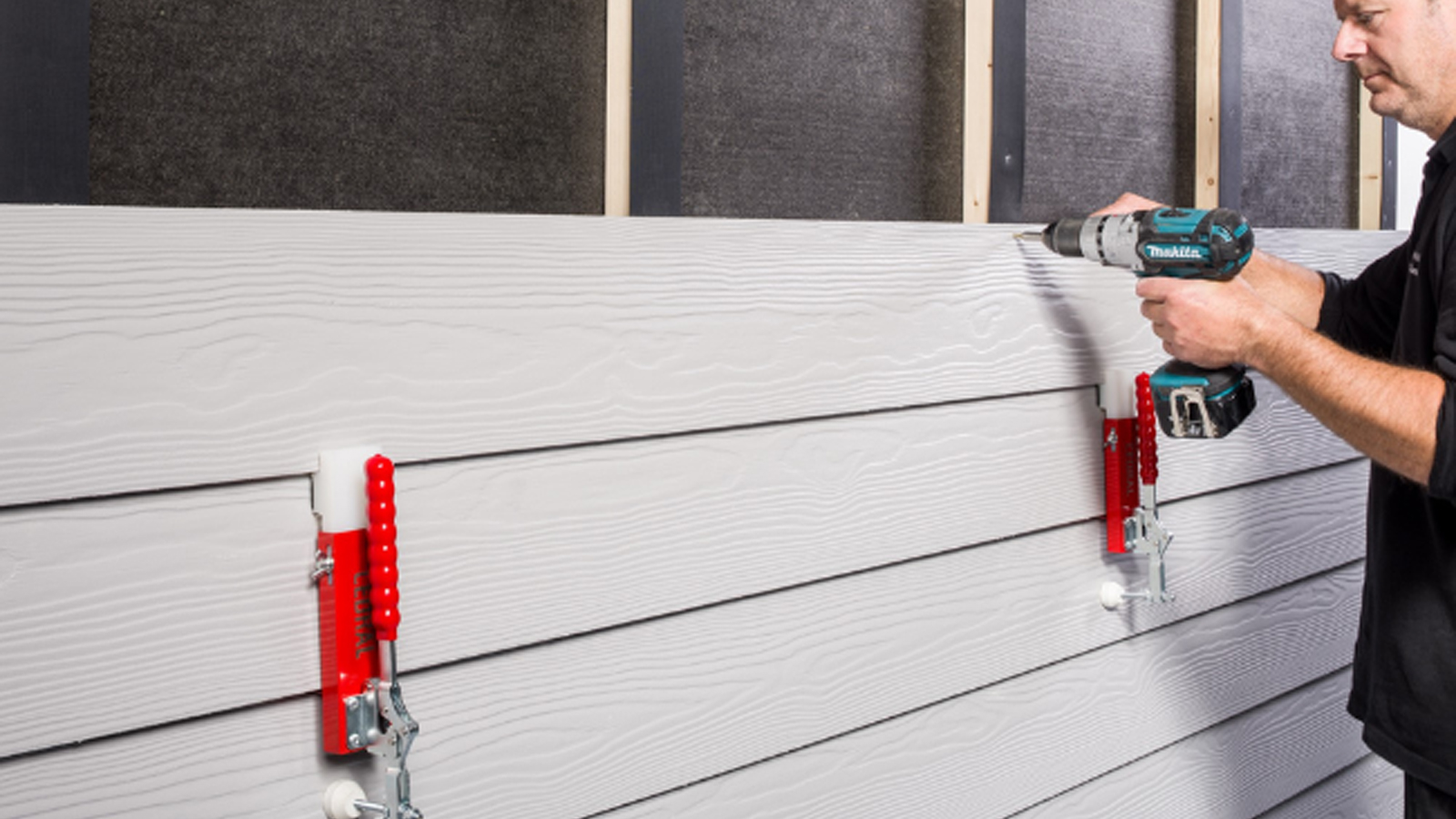
Fibre cement boards can provide a consistent factory-finished appearance, but cutting and handling need more care.
Use the correct tools, follow the manufacturer's fixing guidance and control dust properly.
Some systems use overlapping boards, while others use tongue-and-groove joints or specialist clips.
The right approach depends on the particular product.
What goes behind weatherboard cladding?
Good cladding performance depends on the complete wall system, not just the visible boards.
Depending on the building and chosen product, the installation may include:
Simplified section view. Point at or tap a layer in the list to highlight it.
-
Suitable details around windows, doors and corners
Always use the current installation instructions for your chosen cladding system and get professional advice where the wall design needs it.
Which weatherboard has better fire performance?
Fire performance is an important part of choosing external cladding.
Some fibre cement products achieve high reaction-to-fire classifications, but you should check the exact classification for the product you're buying.
Timber products can have different classifications depending on the species, dimensions, treatment and tested construction.
No single rule
There's no single rule that makes timber unsuitable for every wall near a boundary or makes every fibre cement installation automatically compliant.
Requirements depend on the building, its height, use, distance from boundaries and the complete external wall construction.
- Building
- Height
- Use
- Distance from boundaries
- External wall construction
Check the applicable Building Regulations and obtain competent advice before selecting a system where fire performance is a concern.
How do timber and fibre cement compare on cost?
-
Timber
Some basic timber weatherboards cost less initially than fibre cement. More durable or specialist timber products can cost considerably more.
-
Fibre cement
Fibre cement often costs more than entry-level softwood, but its factory finish can reduce ongoing coating requirements.
For a fair comparison, include:
- Board cost per square metre
- Battens and membranes
- Trims, fixings and other accessories
- Cutting waste
- Labour and access equipment
- Long-term cleaning and maintenance
Good to know
Compare like-for-like quotations rather than assuming the cheapest board will give you the lowest total cost.
Should you choose timber or fibre cement for your first project?
-
Choose timber weatherboard if:
- You particularly want a natural timber appearance.
- You're happy to carry out the maintenance required by your chosen finish.
- You value lighter boards and familiar woodworking methods.
- You've checked that the proposed timber system meets the project's technical requirements.
-
Choose fibre cement weatherboard if:
- You want a factory-finished painted weatherboard appearance.
- Reducing routine surface maintenance is important.
- You prefer consistent manufactured boards.
- The selected system suits your building's design and technical requirements.
Not sure? Three quick questions
Pick the answer closest to your priorities to see which material your answers point towards.
Answer the questions to see your result.
Whichever way you lean, check the system meets your building's technical requirements.
Neither material is the right answer for every project.
If you're unsure, samples can help you compare colours, textures and finishes against your existing building.
Frequently asked questions about timber and fibre cement weatherboard
Explore our fibre cement weatherboard
Factory-finished boards with colour-matched trims and accessories.


Shop all products · Cladding accessories · Order samples · Brochures and downloads
Weatherboard Supplies
Need help choosing the right weatherboard?
Choosing cladding can feel complicated when you're comparing materials for the first time.
We're here to help you work through the options.
Tell us what you're building, the finish you want and how much maintenance you're prepared to take on.
We can help you compare suitable products, understand their accessories and work out what you need before placing an order.
There's no such thing as a daft question when you're trying to get the job right.
Speak to Weatherboard Supplies for practical advice on timber and fibre cement cladding.