
The cheapest cladding board doesn't always make the cheapest finished wall.
Two products might look similar in price, but once you've added battens, trims, fixings, delivery and cutting waste, the total can be quite different.
And there's another cost worth thinking about: maintenance. A cheaper material that needs regular treatment might cost more over time than one with a higher starting price.
If you're renovating on a tight budget, we'll help you compare the options and work out where your money is best spent.
What makes cladding cost-effective?
Cost-effective cladding isn't necessarily the product with the lowest price tag.
It's the material that gives you the right balance of purchase price, installation cost, appearance, durability and ongoing maintenance.
Before comparing products, consider five things:
- Material cost:How much will the boards cost for the area you need to cover?
- Coverage:How much wall does each board actually cover once it's installed?
- Accessories:What battens, trims, fixings and other components will you need?
- Installation:Will you fit it yourself or pay a professional?
- Maintenance:What cleaning, painting or other work might be needed over its lifetime?
Good to know
Looking at the complete job gives you a much more useful comparison than looking at board prices alone.
Why does board coverage matter?
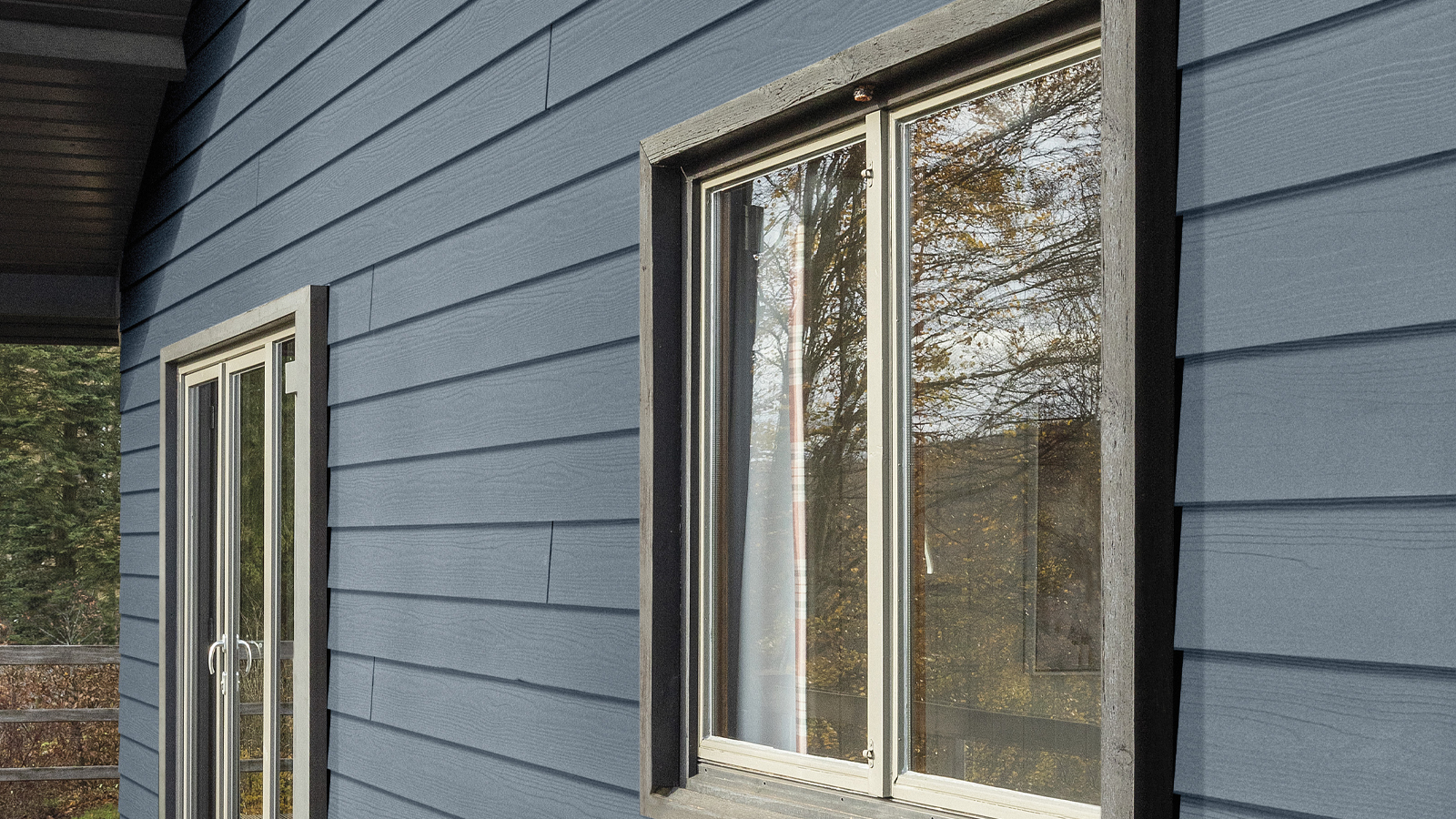
Cladding boards have different dimensions and fixing methods.
With overlapping weatherboard, part of each board sits behind the next one. That means the full width isn't visible on the finished wall.
For example, a board that's 190mm wide may provide considerably less visible coverage once the overlap has been allowed for.
Tongue-and-groove systems have different coverage requirements. Composite systems may also use different board widths and joint details.
To compare fairly, calculate the number of boards required for a square metre of finished wall using the manufacturer's current coverage figures.
Try it: see how overlap affects coverage
Change the board width and overlap to see how much of each board is actually visible, and how many boards that means per square metre.
Example figures only. Use the manufacturer's current board dimensions and coverage data for your chosen product.
How to calculate the board cost per square metre
For boards sold individually, you can use a simple calculation:
Board price × number of boards required per m² = material cost per m².
For example, if a board costs £20 and you need two boards per square metre, the board-only cost is £40 per m².
This doesn't include trims, fixings, labour, waste or delivery, but it gives you a sensible starting point.
Try it: board cost calculator
Boards only, using the figures you enter. Check coverage against the manufacturer's current data, and add trims, fixings, labour and delivery separately.
Which cladding materials offer the best value?
Fibre cement weatherboard
Fibre cement is often worth considering when you want a painted weatherboard appearance without a regular timber repainting programme.
Products such as Cedral Lap arrive with a factory-applied finish and are designed for external use.
Potential advantages include:
- Factory-finished boards
- Resistance to rot
- A choice of colours and finishes
- No routine timber-style repainting cycle
- Established fixing systems and matching accessories
Fibre cement costs more than some basic softwood options, but its maintenance requirements can make it an attractive longer-term choice.
You'll need to include the correct battens, ventilation details, fixings and finishing profiles in your budget.
Cedral Lap or Cedral Click?
Both systems use fibre cement, but they create different finishes.
-
Traditional lapped look
Cedral Lap uses overlapping boards to produce a traditional weatherboard appearance. It's a useful starting point if you're looking for a straightforward lapped finish and want to control costs.
-
Contemporary flush look
Cedral Click uses a tongue-and-groove system for a more contemporary, flush appearance.
Click generally has a higher board cost, so the decision often comes down to the look you're after and the budget available.
Before you choose
Neither option should be chosen on appearance alone. Check the current product dimensions, coverage, fixing requirements and total material cost.
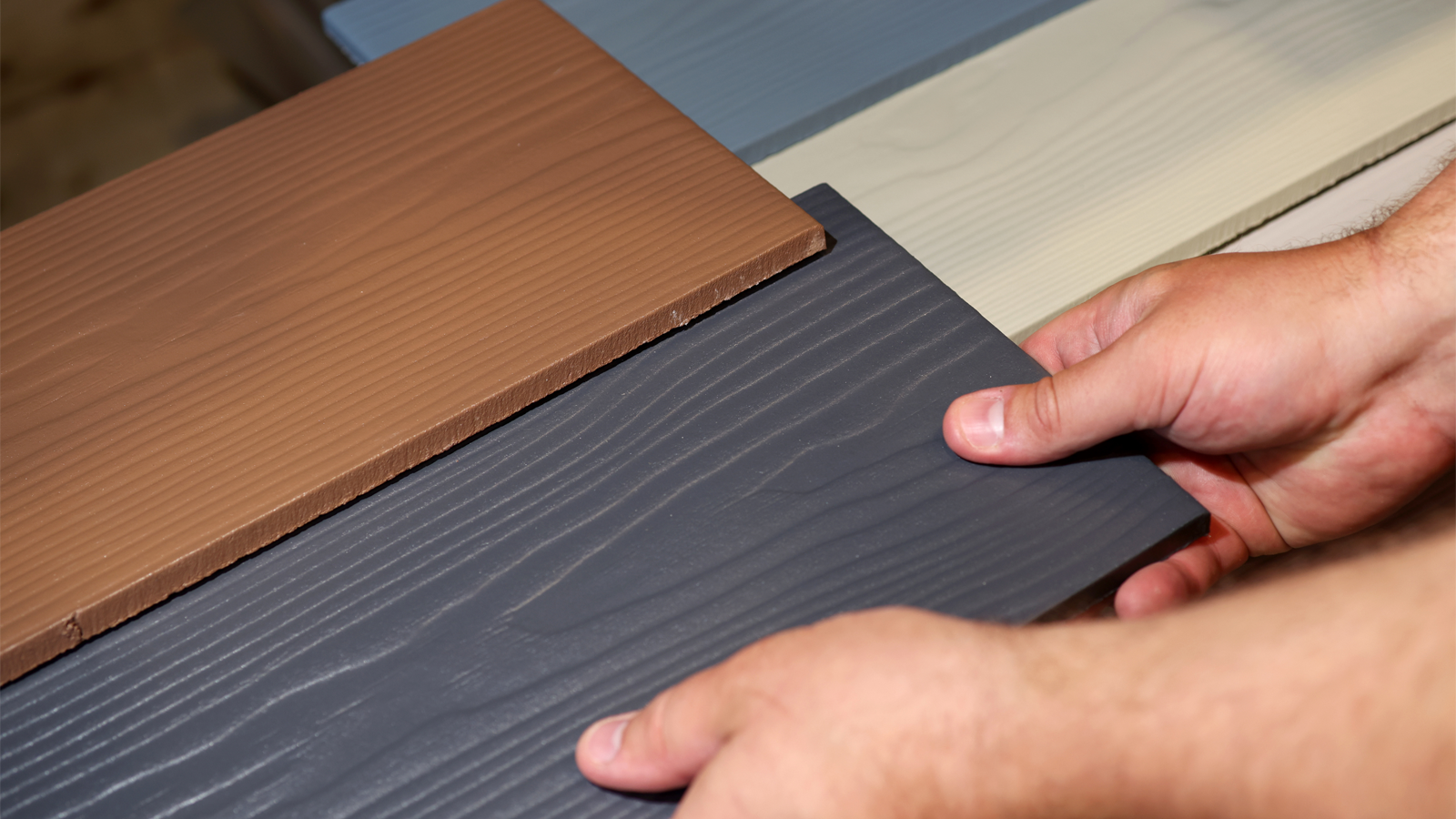
Timber weatherboard
Timber is a popular choice for its natural appearance and the variety of finishes available.
Some softwood boards have a relatively low starting price, making them attractive when the budget is limited.
However, timber costs vary considerably depending on the species, treatment, finish and profile.
You'll also need to consider the maintenance programme.
Depending on the timber and coating system, that may include regular cleaning, inspection, repainting or restaining.
Durable timber species and correctly detailed installations can provide a long service life. Poor material selection or neglected maintenance can shorten it.
Good to know
Timber isn't automatically a false economy. The important thing is choosing the right timber and budgeting realistically for its upkeep.
Composite cladding
Composite cladding is generally positioned towards the higher end of the market.
Systems such as Millboard Envello are designed to offer a particular appearance with comparatively low routine maintenance.
They can be worth considering when the finish is a major part of the project.
However, if your main priority is the lowest upfront material cost, composite may not be the first option to explore.
One approach is to use a premium cladding system on a feature elevation and a more economical finish elsewhere, provided the overall design and technical requirements allow it.
Flat fibre cement boards
Flat fibre cement sheets may appear significantly cheaper than decorative weatherboard when compared by area.
But you need to compare products intended for the same purpose.
Boards designed for sheathing, fire protection or as a render carrier aren't necessarily suitable as a finished decorative exterior.
Always check the manufacturer's intended use and installation guidance.
Watch out
A low-cost construction board isn't automatically a substitute for a complete weatherboard system.
What extra materials should you include in your budget?
Boards are only part of the finished installation.
Depending on your chosen system and existing wall, you may need:
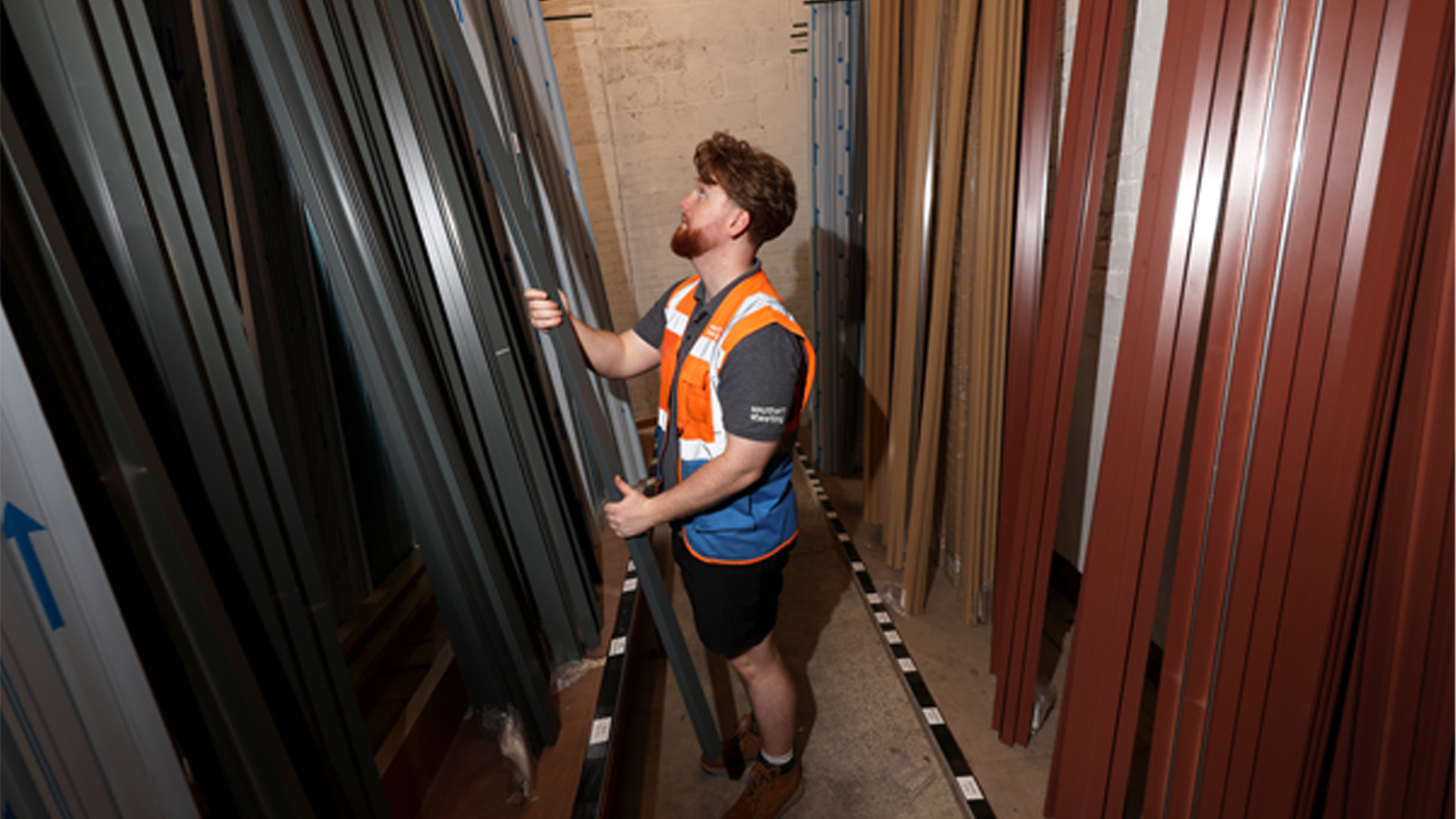
Some products use a different fixing system or need additional components. Use the current manufacturer's installation guide to build a complete materials list.
Plan ahead
It's much easier to budget for these items before you order than to discover something's missing halfway through the job.
Browse our cladding accessories to see the trims and fixings for each system.
How much waste should you allow?
Some waste is unavoidable when cutting cladding around windows, doors and corners.
Long straight walls with few openings are usually easier to plan. Gables, dormers and complicated elevations can produce more offcuts.
A preliminary allowance of around 10% is sometimes used for straightforward work, with a higher allowance for more complicated shapes.
Gables, dormers and complicated elevations can produce more offcuts.
But that's only a budgeting guide, not a universal rule.
Board lengths, joint positioning, the profile and the cutting layout can make a significant difference.
It's worth checking your measurements and proposed layout with your supplier before placing an order.
Is it cheaper to install cladding yourself?
Doing the work yourself may reduce labour costs, but only if you've got the skills, tools and safe access needed for the job.
A simple garden building is very different from a two-storey house with several windows and awkward corners.
Professional installation may be better value where the work involves complicated detailing, difficult access or unfamiliar construction.
Worth remembering
A poorly installed system can cost much more to put right than it would have cost to install correctly.
Compare the complete DIY cost, including equipment and waste, with quotations from competent installers.
How can you save money without cutting corners?
-
Choose the right system for your needs
Don't pay for a premium finish unless it brings something you genuinely value.
If a straightforward fibre cement lap system gives you the appearance and performance you need, it may be a more economical choice than a premium composite finish.
-
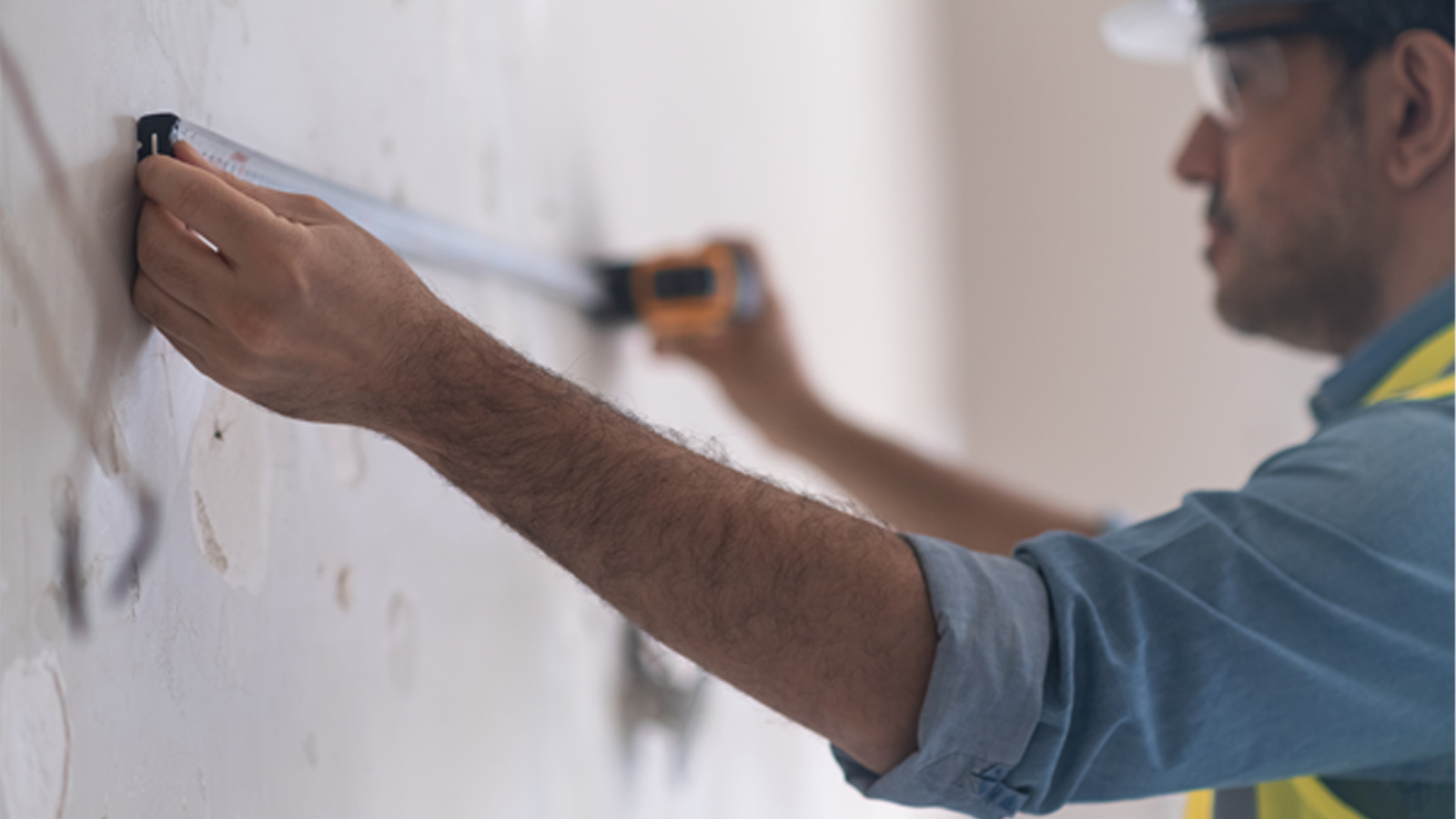
Measure the whole job properly
Accurate measurements help you order the right quantities and avoid unnecessary waste.
Remember to include the positions of windows, doors, corners and joints.
-
Order compatible components together
Matching boards, trims and fixings from the correct system can save time and reduce mistakes.
Check that accessories are suitable for the particular product and installation.
-
Think about future maintenance
A lower purchase price doesn't always mean a lower lifetime cost.
Consider what the cladding will need over the years and how easy it'll be to access the wall for maintenance.
-
Check delivery costs before ordering
Long cladding boards can have particular delivery and unloading requirements.
Confirm these in advance, especially if you're trying to keep the project within a fixed budget.
Can you reduce VAT or get grants for cladding?
Some building projects qualify for special VAT treatment or financial support, but this depends on the work, the property and the applicable rules.
Check first
Don't assume that buying decorative cladding automatically qualifies for reduced VAT or a grant.
Projects involving qualifying renovations, conversions or energy efficiency improvements may be treated differently from ordinary cladding purchases.
Before relying on a reduced VAT rate or funding scheme, check the current eligibility requirements with HMRC, the scheme administrator or a suitably qualified adviser.
Frequently asked questions about cost-effective cladding
Compare our cladding ranges
See current prices, colours and matching accessories for each system.


Shop all products · Cladding accessories · Order samples · Brochures and downloads
Weatherboard Supplies
Get the right cladding for your budget.
Working to a fixed budget doesn't mean you have to guess which products to buy.
Tell us what you're cladding, share your measurements and let us know the finish you're after.
We can help you compare the options, understand the accessories you'll need and put together a more realistic materials list.
Sometimes the right answer is a more economical board. Sometimes it's paying a little more upfront to reduce maintenance later.
We'll help you work out what's right for your project.
Speak to Weatherboard Supplies before ordering your cladding materials.