
Thinking about cladding your house? Before you choose your boards, it's worth checking whether you need planning permission.
Many homeowners can make changes to their property's exterior without submitting a planning application. But the answer depends on the building, its location and the materials you want to use.
England and Wales also have different planning rules. We'll explain what to check so you can plan your project with confidence and avoid expensive changes later.
Do you need planning permission for house cladding?
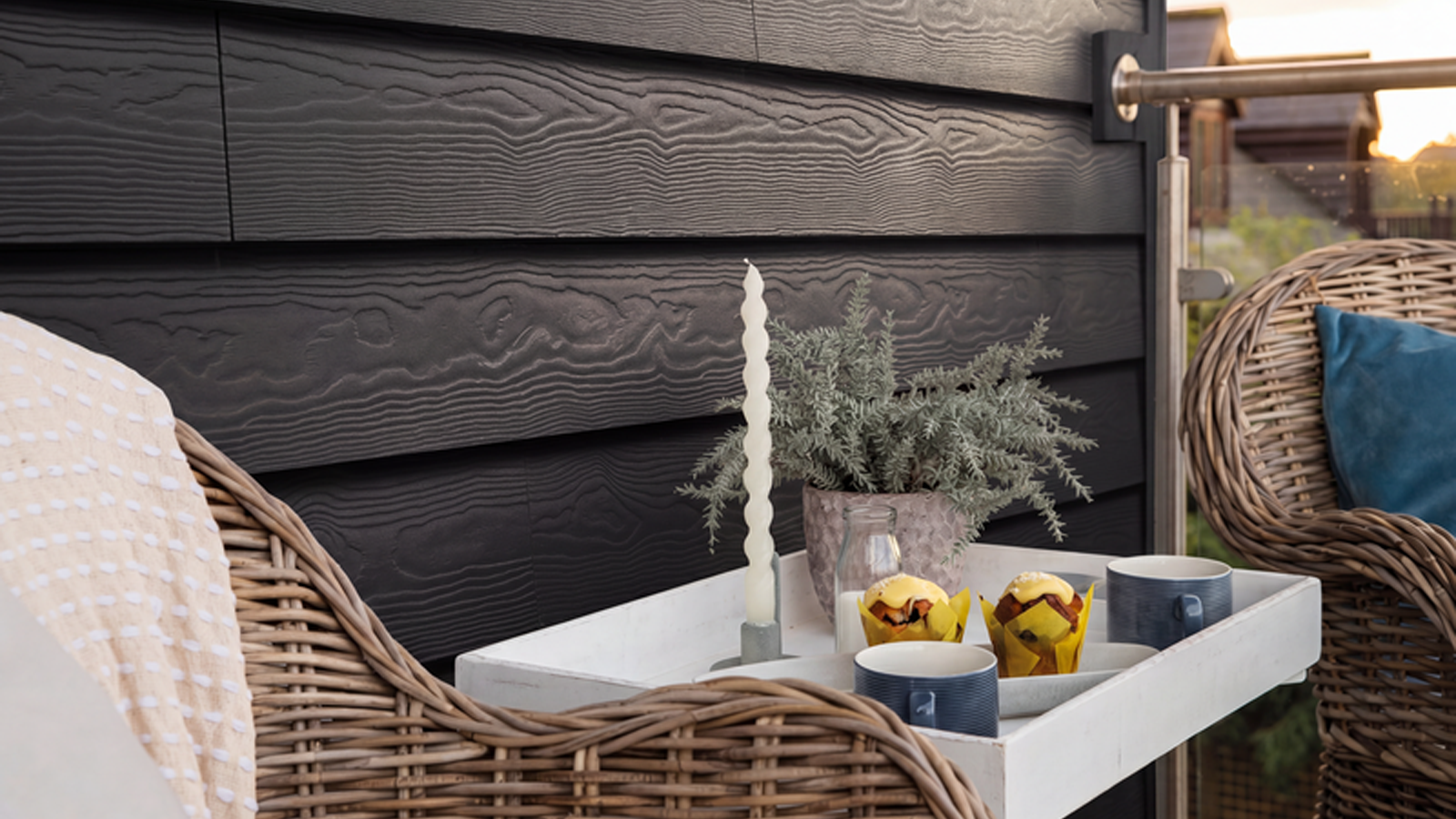
In many cases, cladding a house can fall within permitted development rights. These are planning permissions granted nationally, which allow certain types of building work without a separate planning application.
However, that doesn't mean every house or every cladding system qualifies.
You should check whether:
- Your property is in a conservation area, National Park or another protected location.
- Your building is listed.
- You live in a flat or maisonette rather than a house.
- Your permitted development rights have been restricted or removed.
- The proposed materials meet the relevant appearance requirements.
- The work needs Building Regulations approval or other consent.
Good to know
Even if planning permission isn't needed, your project must still comply with any applicable Building Regulations.
What does permitted development mean?
Permitted development rights allow certain improvements and alterations to houses without requiring a separate planning application.
In England, relevant householder works are generally covered by Class A of Part 1, Schedule 2 of the Town and Country Planning (General Permitted Development) (England) Order 2015.
Wales has its own permitted development provisions, so you shouldn't assume the rules are identical.
It's also important to remember that permitted development rights don't apply automatically to every property. Flats, maisonettes and certain other buildings have different planning arrangements.
What are the cladding planning rules in England?
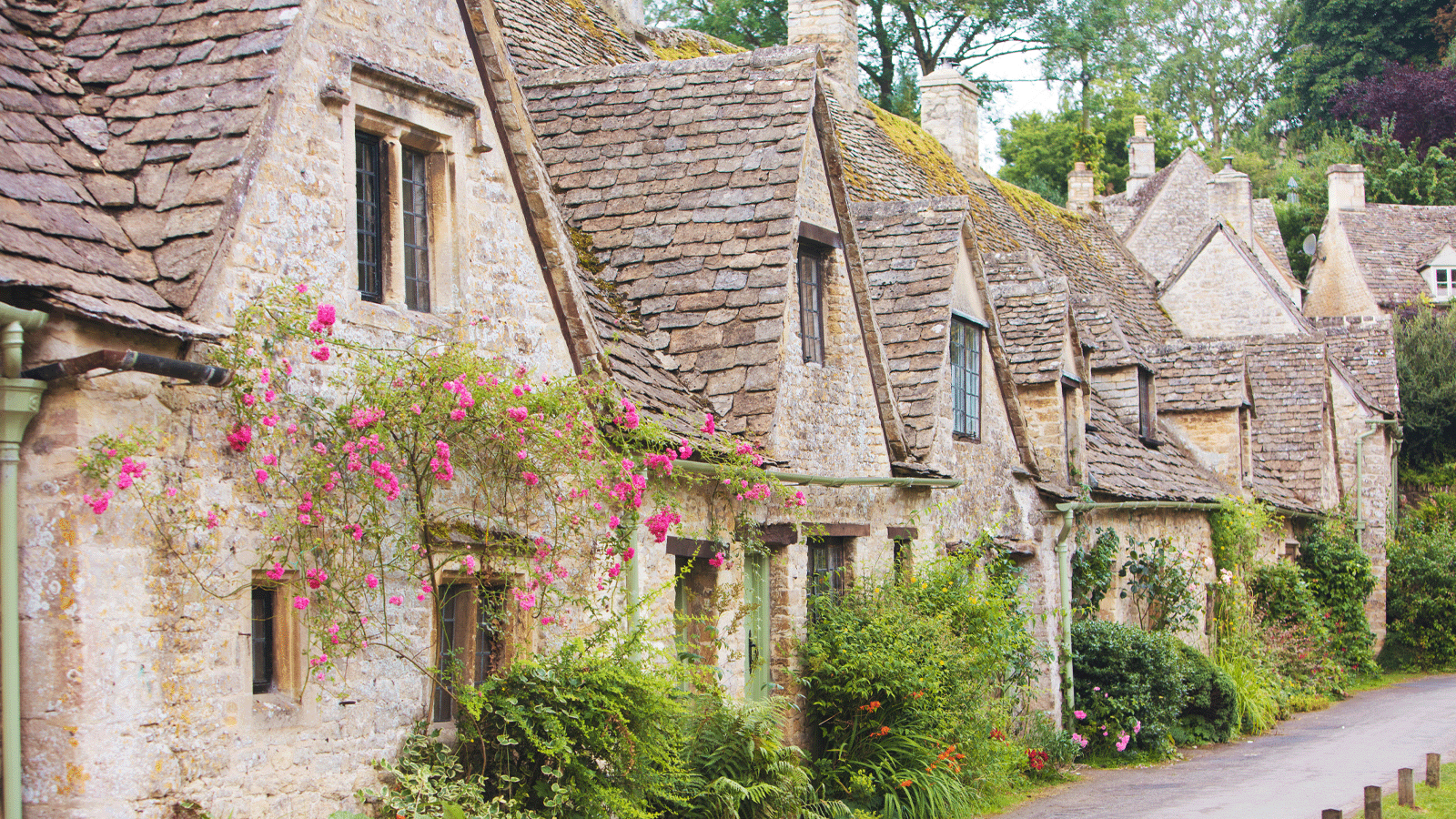
Cladding in conservation areas and other protected locations
In England, additional restrictions apply to houses on land designated under Article 2(3) of the permitted development rules.
This includes locations such as:
- Conservation areas
- National Parks
- National Landscapes, formerly known as Areas of Outstanding Natural Beauty
- The Broads
- World Heritage Sites
On this land, Class A permitted development rights don't cover exterior cladding with certain materials, including timber, plastic, stone, artificial stone, render, pebble dash and tiles.
- Timber
- Plastic
- Stone
- Artificial stone
- Render
- Pebble dash
- Tiles
Before you order
If you're considering cladding in one of these locations, speak to your local planning authority before ordering materials. Don't assume that choosing a different material automatically makes the work permitted development.
Do new cladding materials need to match your house?
Outside protected areas, permitted development is still subject to conditions.
In England, one important condition is that materials used for exterior works must generally have a similar appearance to those already used on the house.
That doesn't always mean using exactly the same material. Colour, finish and the overall appearance can all affect the decision.
For example, adding a contrasting cladding finish to an existing brick house may need more careful consideration than replacing similar-looking boards.
When you're unsure, ask the planning authority rather than relying on a photograph or product description.
What are the cladding planning rules in Wales?
Wales has separate planning legislation and guidance for changes to external walls.
As in England, cladding can sometimes be carried out without a planning application. Additional restrictions apply in protected locations, including conservation areas, National Parks, National Landscapes and World Heritage Sites.
Welsh Government guidance lists materials that trigger planning permission requirements in these areas, including stone, artificial stone, pebble dash, render, timber, plastic and tiles.
Appearance requirements also need checking. Don't rely on the assumption that any particular cladding material is automatically exempt.
For current guidance, visit the Welsh Government's external walls planning guidance.
Do listed buildings need planning permission for cladding?
Listed buildings require particular care.
Work that affects a listed building's character may need listed building consent, even where ordinary planning permission isn't required.
Changing the external appearance, covering historic materials or introducing a new cladding system can have a significant effect on a listed building.
If your property is listed, contact your local planning authority's conservation team before planning the work.
Listed building?
Don't remove existing finishes or order a full cladding system until you understand which consents may be required.
What if your permitted development rights have been removed?
Some properties have restrictions that remove or limit their normal permitted development rights.
These may come from:
- An Article 4 direction
- A condition attached to an earlier planning permission
- The type of building or its planning history
Restrictions aren't always obvious from looking at the property.
Your local planning authority can help you establish whether permitted development rights apply to the work you have in mind.
Does house cladding need Building Regulations approval?
Planning permission and Building Regulations are different things.
Planning deals with whether development is allowed. Building Regulations cover matters such as safety, energy efficiency and construction standards.
Depending on the project, changing or installing external cladding may raise requirements relating to:
- Fire safety and external fire spread
- Insulation and thermal performance
- Moisture protection and ventilation
- Structural support and fixings
- Changes to the existing external wall
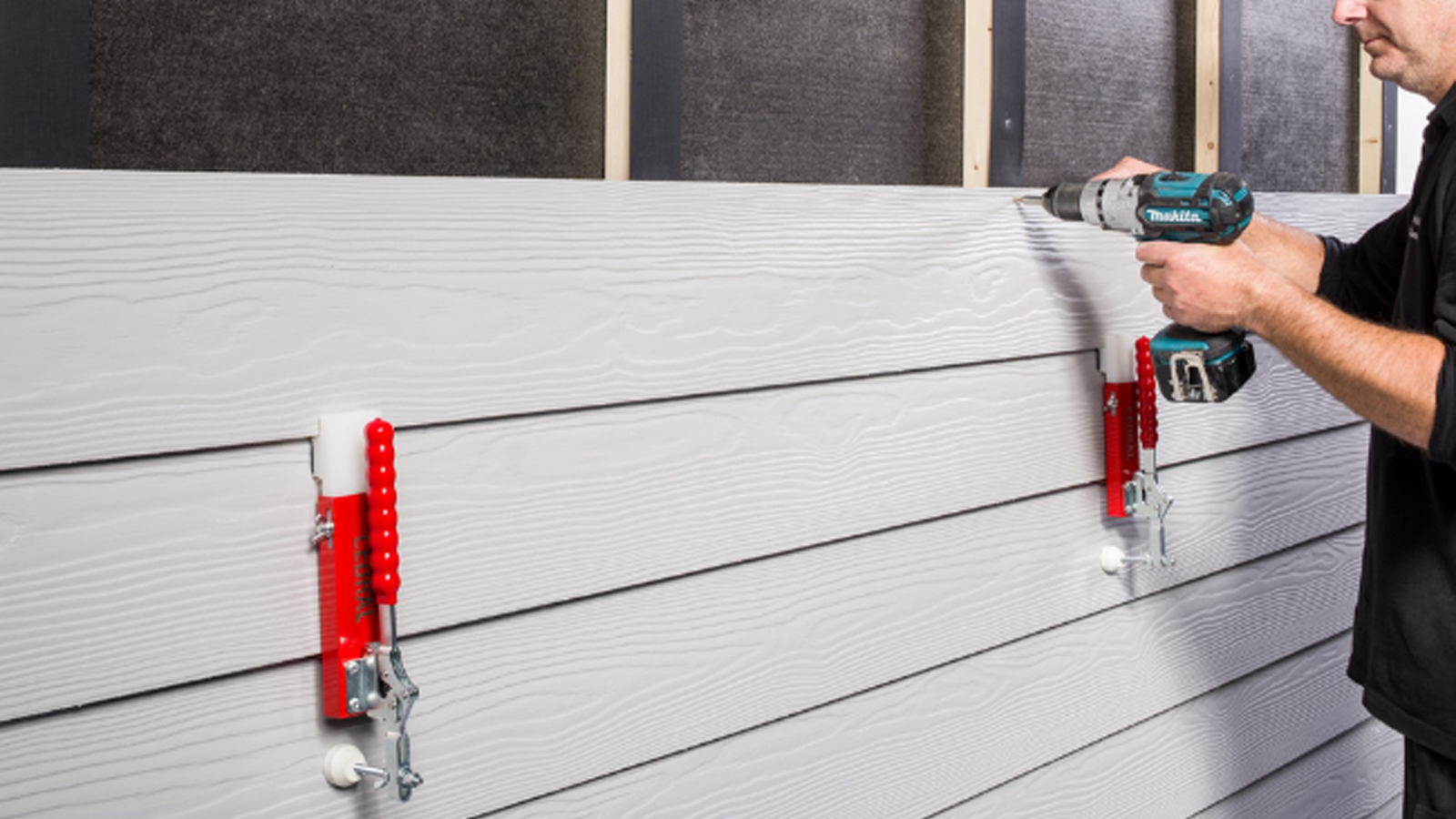
For example, a project involving additional external wall insulation may have different requirements from a straightforward replacement of an existing decorative finish.
Speak to building control or a suitably qualified building professional about your specific project before work starts.
How do you check whether planning permission is needed?
The best approach is to check before buying your cladding.
- Confirm your property type.Check whether you're working on a house, flat, maisonette or listed building.
- Check the location.Find out whether your property is in a conservation area or another protected location.
- Review your planning history.Look for restrictions or conditions that could affect permitted development rights.
- Choose a proposed finish.Note the material, colour and areas you want to clad.
- Ask your local planning authority.Get advice on whether the proposal needs an application.
- Check Building Regulations separately.Confirm whether the work requires approval or specific construction measures.
Need it in writing?
If you need formal confirmation that proposed work is lawful under permitted development rights, ask the planning authority about a Lawful Development Certificate.
What information should you prepare before asking the council?
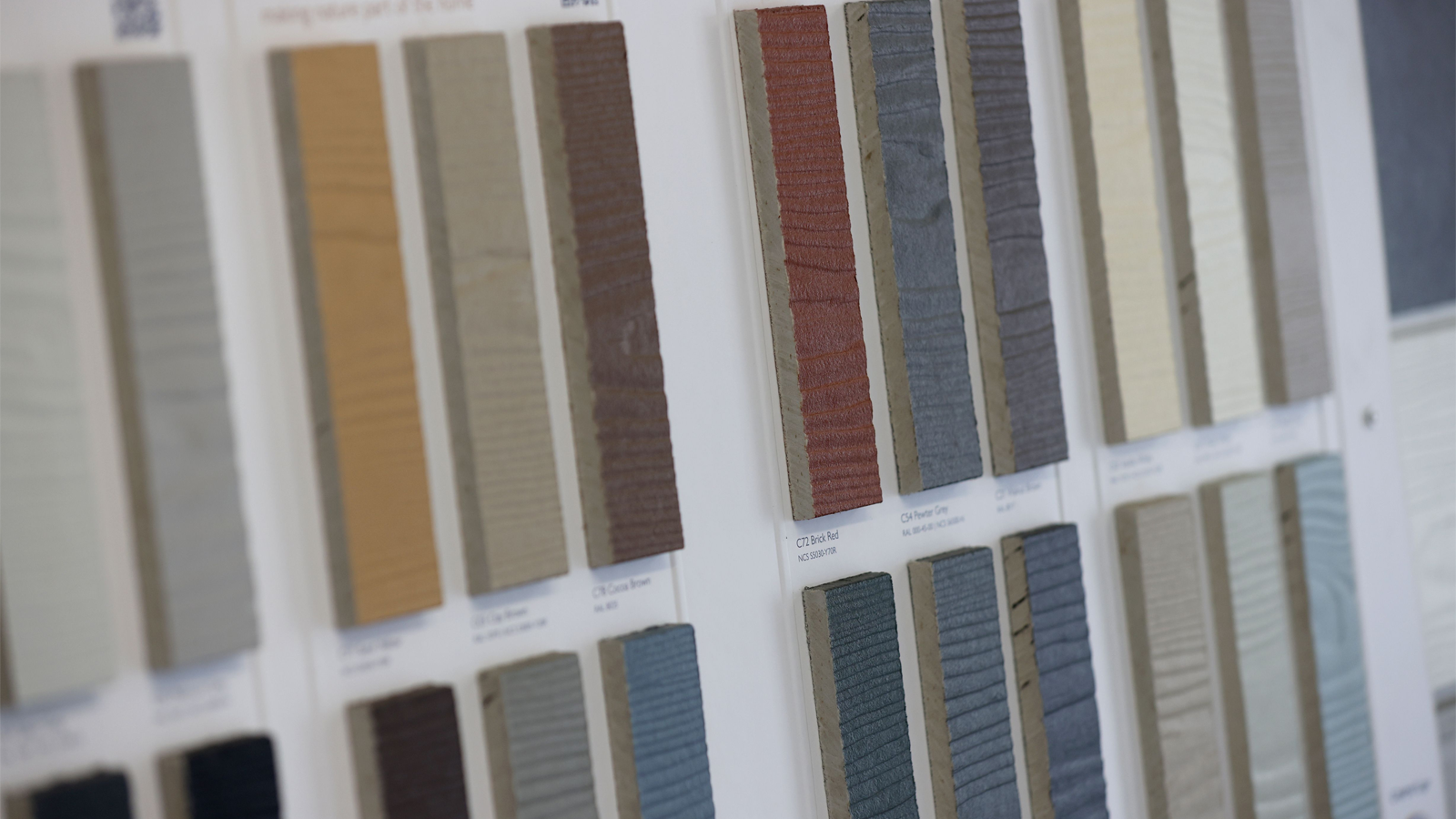
A little preparation can make the conversation easier.
It helps to have:
- Photographs of the existing property
- Measurements of the elevations you want to clad
- The proposed cladding material and finish
- Product information or samples
- Details of any insulation or changes to the wall build-up
The more clearly you can explain the proposed work, the easier it is for the authority to give relevant guidance.
Frequently asked questions about cladding planning permission
Explore our cladding ranges
Once you know what's allowed, compare finishes and colours across our fibre cement and composite cladding.


Shop all products · Cladding accessories · Order samples · Brochures and downloads
Weatherboard Supplies
Need help choosing cladding for your project?
Once you've checked the planning requirements, the next step is choosing a suitable cladding system.
We can help you compare materials, finishes and accessories, and work out what you'll need for your wall. If you're preparing a planning enquiry, we can also help with product specifications and colour information.
We can't make a planning decision for your property, but we can help you get the right product information together before you order.
Speak to the Weatherboard Supplies team for practical advice on your cladding options.